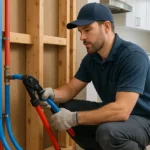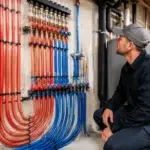
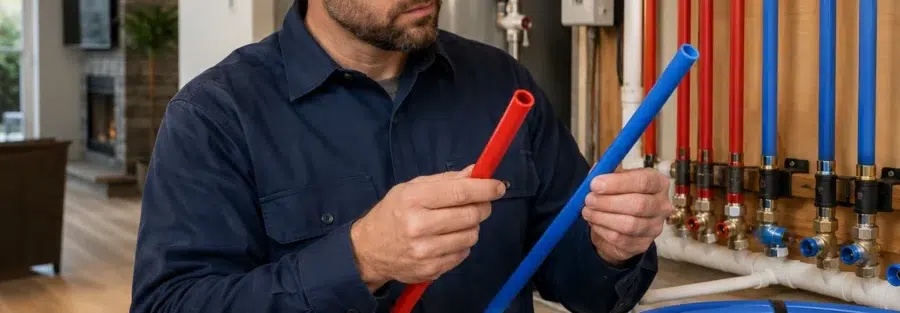
Deciding between PEX A and PEX B is crucial for Seattle homeowners and property managers aiming for the best blend of durability, value, and peace of mind. Here are the most actionable insights to help you select the right PEX solution for your next repipe—delivered with our signature expertise and transparency.
- PEX A offers superior flexibility, making it the top choice for tough retrofits, tight spaces, and freeze-prone zones throughout Washington homes.
- PEX B provides strong value with 20–30% lower material costs and is ideal for straightforward, budget-conscious projects with accessible plumbing layouts.
- PEX A’s expansion fittings maximize flow, maintaining 20–30% higher water volume and minimizing leak risk—perfect for high-demand or custom plumbing designs.
- Repairability sets PEX A apart: minor kinks can be “healed” with heat, while PEX B typically requires pipe replacement after damage or kinks.
- PEX A lasts over 50 years in Seattle conditions, confidently outlasting PEX B’s 30–40 year average lifespan—backed by a comprehensive 25-year warranty from Express Repiping.
- Hybrid systems maximize ROI: Combine PEX B for long runs and PEX A in complex or freeze-prone areas for the most cost-effective, reliable solution.
- Professional installation ensures performance—using the correct fittings, tools, and expert techniques reduces leaks and preserves all manufacturer and installer warranties.
- Regular inspection and maintenance extend lifespan: Annual leak checks, proper pipe support, and protection from UV boost both PEX A and B performance for decades.
Take the next step with confidence—read the full article to discover which PEX solution fits your property, budget, and peace-of-mind needs, or request your free Express Repiping quote today.
Introduction
A hidden water leak can silently drain hundreds from your pocket every month—so what if choosing the right pipe material could prevent years of headaches, sudden plumbing emergencies, and unnecessary expenses?
That’s the decision facing Seattle homeowners when it comes to repiping with PEX—and if you’ve ever wondered why some properties seem immune to burst pipes and pressure drops, the real secret often starts with the type of PEX chosen behind the walls.
Switching from outdated copper or galvanized lines to modern PEX A or PEX B isn’t just about cost—it’s about protecting your investment, ensuring clean water, and adding lasting value to your property.
But here’s what many don’t know: the difference between PEX A and PEX B can mean the difference between:
- Effortless bends through tight basements
- Peace of mind during freezing Seattle winters
- Fewer future leaks and repairs
- And potentially thousands saved on installation and long-term maintenance
With Seattle’s variable climate and a mix of historic and high-tech properties, choosing the right PEX isn’t a one-size-fits-all call.
You’ll discover:
- The pros and cons that matter most for your home or business
- Critical performance differences in flexibility, durability, and cost
- Real-world stats and scenarios from local projects—so you know exactly what to expect
As Seattle’s trusted repiping specialists, our goal is simple: demystify the choice, explain what truly drives cost and reliability, and help you make a decision that keeps your waterline strong for decades.
Ready to see how PEX A and PEX B stack up—and which one sets your property up for the smoothest future?
Let’s start by understanding the foundation: what makes PEX the leader for modern repiping, and how your choice today can bring lasting peace of mind.
Understanding PEX: The Foundation for Choosing the Right System
PEX, or Cross-Linked Polyethylene, has quickly become the modern plumbing material of choice for Seattle homes and commercial properties alike.
Traditional materials like copper and galvanized steel are now often replaced in repiping projects with PEX for a simple reason: it lasts longer, costs less, and handles Seattle’s variable climate with ease.
Express Repiping’s certified specialists bring deep local experience—installing only high-quality, certified PEX to ensure every customer gets reliable, warranty-backed results.
Why Seattle Chooses PEX Instead of Legacy Pipes
Picture this: a 1950s craftsman in Ballard with hidden copper lines full of pinhole leaks—PEX transforms a risky situation into a future-proof system.
Here are the most common reasons Seattle property owners make the switch to PEX:
- Resists corrosion and scaling, which is crucial for our mineral-rich water.
- Freeze-tolerant: Can expand and flex when temperatures drop, preventing burst lines.
- Fast installations: Less demolition and wall damage compared to rigid pipe replacements.
- Lower cost: Up to 60% savings over full copper repipes.
Seattle’s mix of historic homes and tech-forward commercial renovations has made PEX the default upgrade.
Meet the Two Main Types: PEX A and PEX B
Not all PEX is created equal—and your choice matters.
The two main classes—PEX A and PEX B—differ in both manufacturing and performance:
- PEX A: Soft, super flexible, bends in tight spaces, higher material cost but easier for tricky retrofits.
- PEX B: Stiffer, needs more fittings at corners (slightly more installation labor), but is more budget-friendly.
“A great install starts with the right PEX choice,” is a motto we live by at Express Repiping.
Cross-Linking Methods and Pipe Characteristics
Cross-linking is the process that turns ordinary plastic into durable, resilient tubing.
- PEX A is made with the peroxide (Engel) method for 85–89% cross-linking, giving it maximum flexibility and strength.
- PEX B uses the silane (moisture cure) method, achieving 65–70% cross-linking—resulting in a pipe that’s tough but less bendable.
Why does this matter? Higher cross-linking means better freeze resistance, fewer leaks, and minimal long-term maintenance—three priorities for protecting your Seattle or Washington property investment.
Seattle’s freeze-thaw cycles, crawl spaces, and tight attic bends all favor the premium resilience of PEX A. For straight-shot retrofits or budget-driven jobs, PEX B wins for affordability without sacrificing baseline reliability.
Bottom line: PEX redefines what’s possible in repiping. Understanding the difference between PEX A and B is the first step to a system that lasts—and Express Repiping is here to make that decision simple and risk-free.
Comparing PEX A and PEX B: Critical Differences
Choosing between PEX A and PEX B comes down to a handful of make-or-break factors: flexibility, installation complexity, long-term durability, cost, and how your plumbing must perform in Seattle’s real-world conditions.
If you picture the inside of an old Seattle craftsman—tight basements, snaking joists, tricky retrofits—PEX A’s flexibility stands out immediately.
—
Flexibility, Handling, and Installation Challenges
PEX A is extremely flexible, allowing effortless navigation around sharp corners with fewer fittings.
- Perfect for older homes with tough access or tight crawlspaces
- Requires fewer fittings, which means lower risk of leaks over time
PEX B, on the other hand, is stiffer and needs extra fittings at every bend.
- More labor to install, especially on bends and turns
- Every extra fitting is a potential leak point—something savvy homeowners are keen to avoid
A visual: Imagine a PEX A run bending gently through plumbing cavities with almost zero effort, while PEX B needs to be carefully pieced together through every turn.
—
Kink Resistance, Freeze Protection, and Repairability
PEX A shines in its “thermal memory”—if it kinks, a simple heat gun will return it to form.
- Resists kinks and can self-heal minor deformations with heat
- A favorite for freeze-prone zones (think lake cabins or exposed basements in Seattle winters)
PEX B is less forgiving:
- Once kinked, it stays kinked—you’ll have to cut and replace the section
- In cold snaps, the risk of cracking is higher
“PEX A is a true lifesaver in Seattle’s unpredictable freeze-thaw cycles.”
—
Fittings, Flow Rates, and Leak Potential
PEX A works with expansion fittings—they stretch open the pipe to preserve the full internal diameter.
- Maintains 20–30% higher water volume through the line
- Expansion fittings virtually eliminate bottlenecks and keep water pressure strong
PEX B often uses crimp/insert fittings:
- Fittings slightly restrict flow (about 5 psi loss per connection)
- Higher risk of leaks if not crimped with precision
- Recent trends now certify expansion fittings for PEX B, but tech is still catching up—expect some pros and cons with this hybrid method
—
Durability, Lifespan, and Chemical Resistance
PEX A boasts superior chemical and chlorine resistance (up to 5.0 ppm chlorine).
- Real-world lifespan: 50+ years in most Seattle installations
- Lower failure rates from repeated heating and cooling
PEX B still offers strong resistance but:
- Has slightly higher risk of micro-cracking in extreme temps
- Typical lifespan: 30–40 years under Northwest conditions
“PEX A sets the bar for longevity—an investment that stands up for decades.”
—
Pressure, Temperature, and Performance Under Stress
Both types are rated for 180°F and 100 psi.
- PEX A is especially tough in high-temp cycling and can handle sudden pressure surges or freeze bursts (tested to 500 psi burst before rupture)
- If you have radiant heating, long runs, or high-demand fixtures—PEX A wins on endurance
- PEX B performs admirably in stable, protected environments but is best kept out of extreme use cases
Picture your next renovation: PEX A is ideal for “install it once, sleep well forever.” PEX B is great when budget and simple layouts matter more than ultimate toughness.
—
Key takeaway: PEX A delivers the flexibility, repairability, and resilience Seattle property owners need for peace of mind, while PEX B rides strong on value and suitability for straightforward, budget-focused jobs. “The right PEX is the one that fits your home’s specific challenges—and keeps your water running strong for decades.”
Cost and Value: What Seattle Property Owners Need to Know
When comparing PEX A and PEX B for Seattle repiping projects, cost and value go hand-in-hand with peace of mind.
As of 2025, PEX A averages about 64% higher in material cost—typically $0.59 per foot for 1/2” PEX A, versus $0.36 per foot for PEX B.
This gap matters for both material budgets and full project estimates, especially when planning a full house repipe or commercial upgrade.
Detailed Cost Comparison
Let’s break down real costs and typical investment ranges you’ll see in the Seattle area:
- Material Costs
- PEX A: $59–$67 per 100 ft (1/2”)
- PEX B: $36–$42 per 100 ft (1/2”)
- Fitting Costs
- PEX A expansion fittings: $2.50–$3.20 each (higher durability, preserves flow)
- PEX B crimp fittings: $1.25–$2.00 each (economical, more needed at turns)
- Tool Expenses
- Expansion tools (PEX A): $250–$350+ (special order, pro skill needed)
- Crimp tools (PEX B): $65–$110 (widely available, easier for DIY)
- Typical Seattle Full-House Repipe
- PEX A: $10,000–$16,000 (residential, 2-bath, labor included)
- PEX B: $7,500–$11,000 (similar scope)
Multi-unit or commercial property owners see bigger savings from PEX B’s lower per-foot cost, while high-end custom homes often invest in PEX A for future-proof flow and flexibility.
Evaluating Value: Labor, Repairs, and Resale
While PEX A costs more up front, its extreme flexibility means fewer fittings, faster labor, and less risk of future leaks.
- PEX B typically uses 20–30% more fittings per installation—raising potential leak points and labor time.
- Labor savings often offset PEX A’s higher price on tricky remodels where pipe routing is complex.
Imagine a century-old Seattle home: using PEX A, installers can snake lines through awkward framing without gutting walls, saving labor hours and post-job repairs.
Warranty Coverage and Lifetime Value
Express Repiping guarantees all installations with a 25-year warranty—far beyond most competitors and manufacturer minimums.
- PEX A delivers a 50-year real-world life span and a proven record in high-chlorine, freeze-prone environments (Seattle’s specialty!).
- PEX B is widely trusted for 30–40 years, ideal where affordability matters most.
Choosing the right PEX isn’t just about price per foot—it’s about total ownership cost, lasting peace of mind, and minimizing disruptions down the road.
Express Repiping’s commitment to free quotes and fully transparent pricing means no surprises and total clarity, setting Seattle’s expectations for stress-free repiping.
The main takeaway: Investing wisely now can mean safer plumbing, stronger resale value, and decades of leak-free living. That’s the kind of value you’ll feel every time you turn on the tap.
Application Suitability: When to Specify PEX A or PEX B
Choosing between PEX A and PEX B isn’t one-size-fits-all—the right choice depends on your property, project goals, and budget. At Express Repiping, our certified specialists break down this decision to deliver the best value and performance for every Seattle home and business.
PEX A: Ideal Use Cases
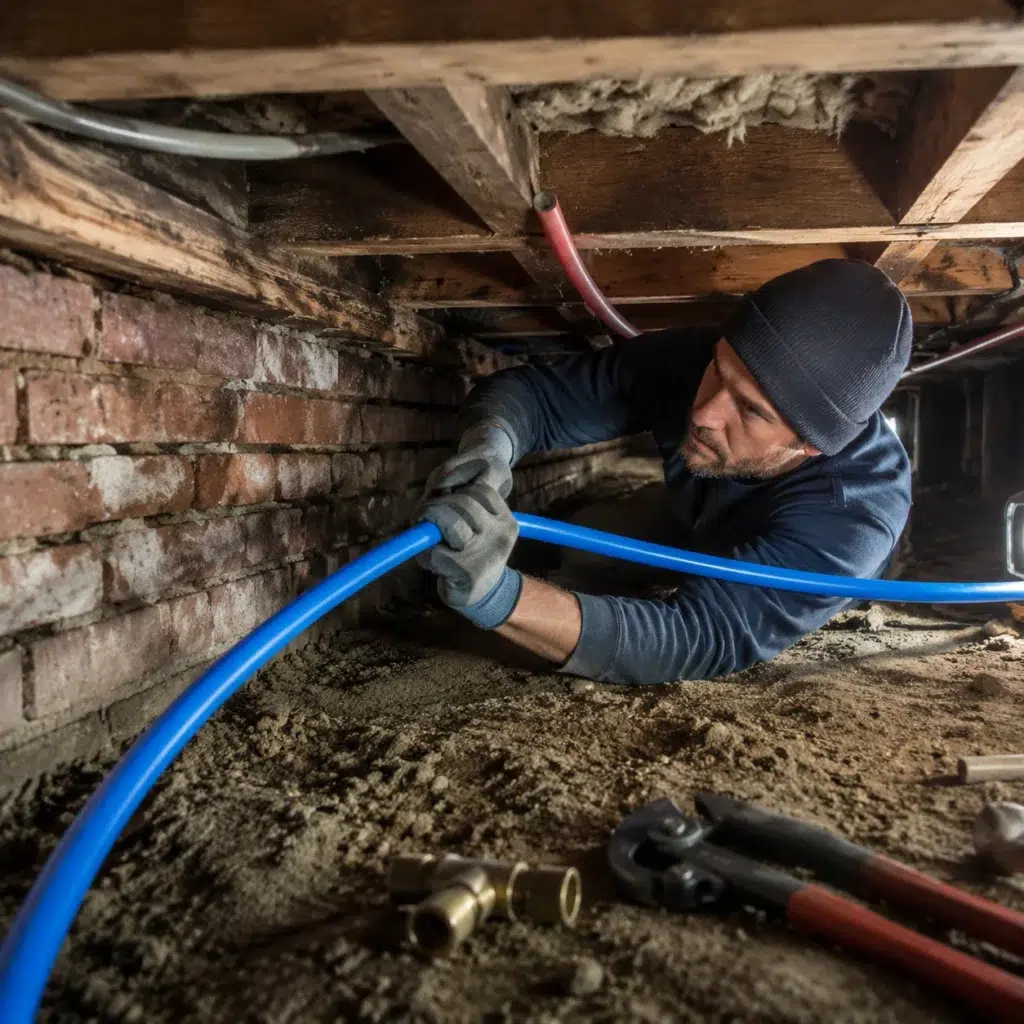
When you need unmatched flexibility and robust freeze protection, PEX A is the expert’s go-to. Picture threading pipes through the tight, historic framing of a Seattle Craftsman or out to a lakeside cabin where winter lows can plunge below freezing.
Typical situations where PEX A shines:
- Freeze-prone zones: Think unheated crawl spaces, outdoor walls, or exposed piping.
- Challenging retrofits: Renovation projects in older homes where pipes have to snake through joists and confined spaces.
- High-demand water setups: Large custom homes, multi-head shower installations, or commercial kitchens needing superior flow rates and minimal drops in pressure.
- Longevity seekers: Property owners aiming for minimal intervention over decades—with 50+ year lifespans and outstanding resilience to chlorine and freeze-thaw cycles.
“Avoid kinks, leaks, and costly repairs—PEX A can handle almost any bend you throw at it.”
PEX B: Best-Fit Scenarios
Budget is a big consideration for many Seattle projects, and PEX B steps in with solid value. Imagine a straightforward repipe for a rental, a mid-century brick fourplex, or a suburban home with all pipes running inside conditioned spaces.
Best times to specify PEX B:
- Cost-sensitive projects: Apartment buildings, single-family residential, or multi-unit conversions where controlling per-foot pipe costs matters.
- Simple, accessible layouts: Long, straight runs where bends are minimal, and more fittings won’t slow installation or raise the risk of leaks.
- Mild, protected installs: All-pipe placements inside insulated interiors, away from deep freezes.
- Quick-turn jobs: DIYers and contractors on tight schedules—PEX B’s installation with crimp/clamp fittings is fast and familiar.
“Get reliable performance at the lowest possible installed cost—PEX B is behind more than 50% of repiping projects today.”
PEX Repiping Services
If you’re planning a complete plumbing upgrade, explore our professional PEX repiping services for Seattle homes and commercial properties. Our certified team installs high-quality PEX A and PEX B systems designed for long-term durability, better water pressure, and leak prevention.
Mixed Systems and Hybrid Approaches
Sometimes the smartest move is a hybrid solution: using each PEX type where it works best. Express Repiping can install:
- PEX B for main runs and areas where simplicity rules, then switch to PEX A or expansion fittings in tight or freeze-prone zones.
- Expansion fittings even on newer PEX B, for zones needing higher flow or where future adaptability is a must.
For phased remodels or matching existing systems, combining approaches lets us keep upgrades efficient and budgets predictable—you can choose the smartest investment for each part of your property.
—
Ultimately, the best-fit PEX system reflects your unique installation challenges, budget, and long-term expectations. Seattle owners get maximum value with tailored recommendations—choose based on use case, not just on material price. Request a free quote to see which approach fits your project and delivers true peace of mind.

Fittings and Installation Tools: Strategic Overview
Choosing the right fittings and tools can make or break your PEX installation’s reliability—literally. Two main connection systems dominate the field: expansion fittings (almost exclusive to PEX A) and crimp/clamp fittings (primarily for PEX B, but sometimes used on PEX A).
- Expansion fittings use a special expansion tool to stretch the pipe—great for tight turns and maximum flow.
- Crimp or clamp fittings involve sliding a metal ring over the pipe and compressing it with a hand tool—popular for PEX B systems due to simplicity and affordability.
When considering projects:
- Expansion fittings are the choice for custom homes, high-demand fixtures, or any installation needing minimal flow restriction.
- Crimp and clamp fittings are best for budget projects, straightforward layouts, or DIYers preferring more accessible tools.
Tool Investment: DIY vs. Professional Grade
Not all tools are created equal. Expansion tools (needed for PEX A systems) typically start around $100-$500 and require more training to use correctly.
- Crimp tools are widely available for $40-$60 and favored for faster, low-skill installs—though precision matters, as improper crimps can lead to persistent leaks.
- Professional repipe teams like Express Repiping use both, ensuring the right tool for every scenario and carrying backup equipment to avoid job delays.
“Investing in the right tool upfront pays for itself in leak-free performance.”
Installation Best Practices and Common Mistakes
Express Repiping’s Seattle technicians follow proven protocols that minimize risk and maximize performance:
Do:
- Select the correct fitting system for the pipe type.
- Use high-quality, code-approved fittings and tools.
- Support long pipe runs at recommended intervals.
- Protect all PEX from direct UV exposure.
Don’t:
- Mix up PEX A/B fitting types (causes leaks and voids warranties).
- Over-crimp or under-crimp connectors (weak joints are the #1 cause of call-backs).
- Cut corners on pipe support or run pipes through areas exposed to sharp objects or sunlight.
A scenario to imagine: “Picture this—your home’s water system works flawlessly for years because each connection was installed and verified by a certified team using the best tools on the market.”
Partnering with certified professionals protects your investment, keeps warranties valid, and often saves you from the hidden costs of early leaks or repeat repairs. The most important takeaway: “Precision and expertise at every step create lasting, worry-free plumbing.”
Performance in Real-World Use: Data, Trends, and Customer Experiences
What Seattle Homeowners Are Experiencing
In the Seattle area, PEX pipes now account for over 75% of residential repipes, replacing legacy copper and galvanized lines that struggle in our variable Pacific Northwest climate.
Our team at Express Repiping has completed dozens of full-house projects where the choice between PEX A and PEX B was driven by unique Seattle challenges—think 1920s bungalows with tight joists, or commercial lofts where temperature swings are extreme.
Common scenario: The Ballard homeowner who switched to PEX A after three winters of burst copper pipes—now enjoying leak-free winters and noticeably higher shower pressure.
Quotable takeaway: “PEX A’s flexibility saved us from tearing open finished walls. Installation took a day, not a week.”
Customer Results: PEX A vs. PEX B
Homeowners and building managers consistently mention:
- PEX A delivered seamless installation in irregular or cramped floor plans.
- PEX B projects averaged 25% lower upfront costs, especially for large multifamily buildings or pure straight-run layouts.
- One local landlord saw a 60% reduction in plumbing callbacks after switching to expansion fitting systems—less frustration, faster turnovers.
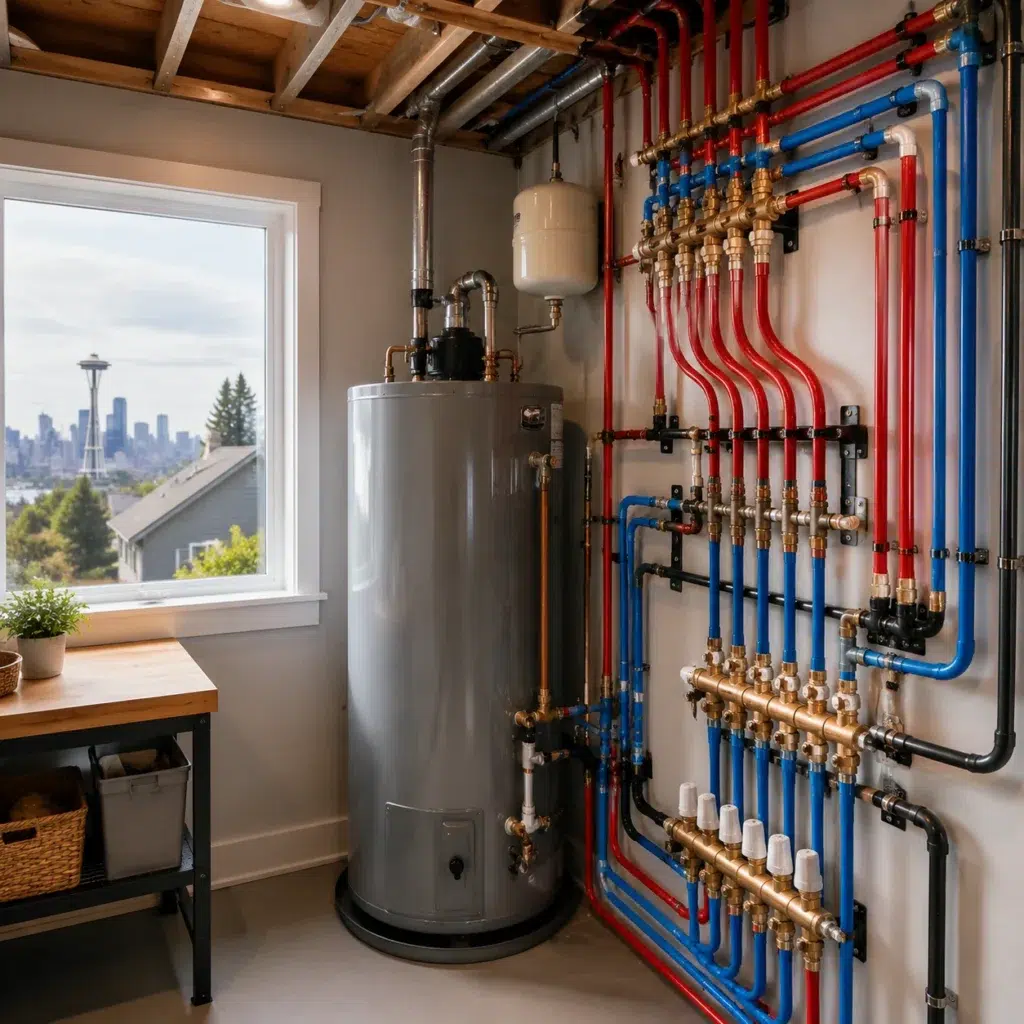
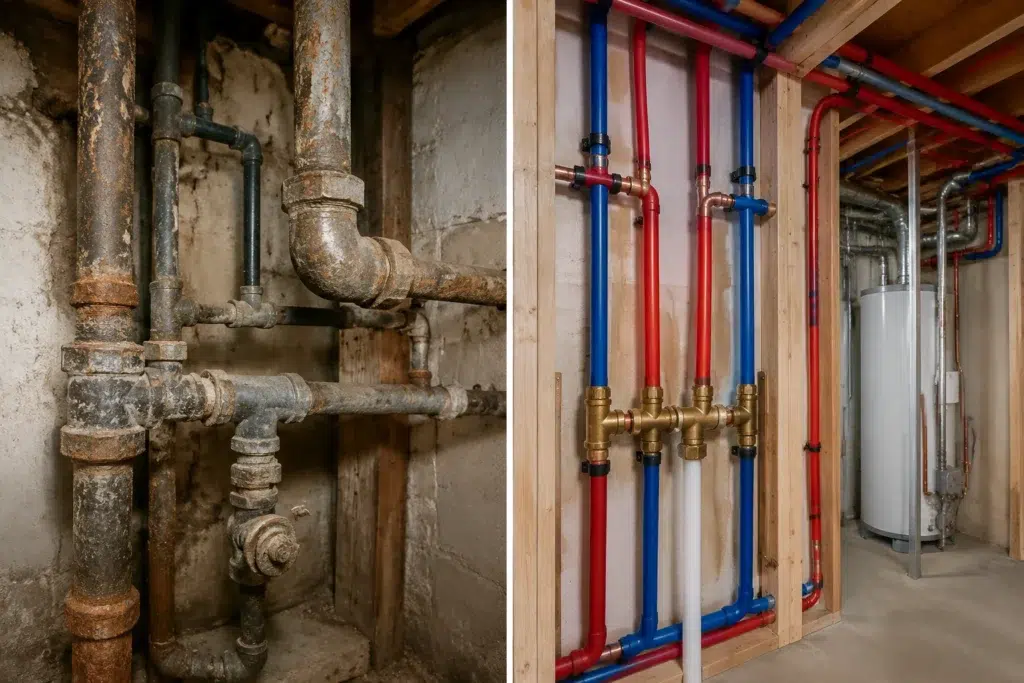
“Picture this: an exposed PEX manifold with vibrant red and blue lines powering a busy Fremont café—installed in one day, with zero leaks after two years.”
Trends: Adoption, Technology, and Future-Proofing
- Adoption of PEX B is trending up as improved expansion fittings close the performance gap and keep costs low—now used in over half of new Seattle multifamily builds.
- Contractors favor no-ID-reduction expansion fittings for PEX A and now for certified PEX B, maximizing flow rates (20–30% higher).
- Upgrades focus on reduced flow restriction and lifetime leak resistance, targeting properties with hard water or freeze-prone zones.
Maintenance, Repairs, and Long-Term Care
- PEX A is favored for hard-to-reach repairs: minor kinks heat out, reducing wall and floor damage.
- PEX B often requires segment replacement if kinked or damaged—quicker for DIY but may increase disruption.
- For both:
- Inspect annually for leaks (especially at fittings).
- Flush and descale regularly in hard water zones.
- Upgrade exposed sections with UV protection for maximum lifespan.
“Regular checkups are the secret weapon—catch small leaks before they become big headaches.”
Express Repiping offers free inspections and transparent guidance to help Seattle property owners avoid costly surprises and extend pipe life.
Choosing the right PEX and staying proactive on maintenance means your pipes can deliver 40- to 50-year peace of mind—and fewer emergency calls to your plumber.
Conclusion
Choosing the right PEX system is about more than just pipes—it’s your opportunity to secure worry-free plumbing and protect your property’s value for decades.
A well-informed PEX choice means stronger water pressure, fewer leaks, and a smoother installation—delivering peace of mind whether you’re upgrading a historic Seattle home or managing a busy rental.
—
Here are your high-impact takeaways:
- PEX A delivers best-in-class flexibility and resilience—the expert’s choice for tricky remodels and freeze-prone zones.
- PEX B offers unbeatable value for straight runs and budget-focused repipes, without compromising on essential performance.
- The right fittings and tools are crucial—precision installation prevents future leaks and costly repairs.
- Regular checkups and pro maintenance keep your new pipes at peak performance, extending their lifespan and reducing emergencies.
- Trusted, certified installers like Express Repiping back your investment with 25-year warranties and full transparency—protecting your property and wallet.
—
Ready to take the next step?
- Book a free inspection or quote: Get a fast, zero-pressure assessment tailored to your property.
- Ask questions: Speak directly with our certified team about your specific challenges and goals—no jargon, just honest guidance.
- Start planning your stress-free repipe: Let Express Repiping design a custom PEX solution that fits your home, budget, and long-term vision.
—
Every property deserves a plumbing system built for the future, not just for today.
“Peace of mind starts with pipes you can trust—empower yourself with the right PEX, installed by Seattle’s most reliable team.”
Let’s ensure your water flows strong, safe, and smooth—now and for the next generation.
Seattle homeowners can review plumbing regulations and permit requirements through the Seattle Department of Construction
To learn more about modern PEX plumbing standards and certifications, visit the Plastic Pipe and Fittings Association
FAQs
Is PEX A better than PEX B?
PEX A offers greater flexibility, better freeze resistance, and higher flow rates. PEX B is more affordable and works well for simple plumbing systems.
Does PEX A last longer?
Yes. PEX A typically lasts over 50 years, while PEX B averages 30–40 years under normal conditions.
Which is cheaper: PEX A or PEX B?
PEX B is generally 20–30% less expensive in material costs.
Can PEX pipes freeze?
Both can tolerate freezing better than copper, but PEX A performs significantly better during freeze-thaw cycles.
Is PEX safe for drinking water?
Yes. Modern certified PEX systems are approved for residential drinking water applications.
Which PEX type is best for Seattle homes?
For older homes, tight spaces, and freeze-prone areas, PEX A is usually the best choice. For budget-conscious projects with straightforward layouts, PEX B performs very well.