
Key Takeaways
Knowing the signs your home needs repiping is essential for protecting your property, ensuring safe water, and avoiding costly emergencies—especially with Seattle’s aging housing stock. These quick, actionable insights will help you spot trouble early and understand when to call certified pros like Express Repiping for a trusted solution.
- Multiple leaks and water stains signal systemic pipe failure—don’t just patch recurring issues; call for a free, whole-home plumbing inspection if you spot leaks in different rooms or brown marks on ceilings and walls.
- Rusty, yellow, or brown water means pipe corrosion—if discoloration appears at multiple taps, it’s a strong sign your pipes are deteriorating and full repiping may be needed.
- Consistent low or fluctuating water pressure throughout your home points to blockages or hidden leaks within old galvanized, polybutylene, or lead piping.
- Visible corrosion, mineral crust, or mismatched pipes on exposed lines indicate your plumbing system has outdated or compromised materials—especially true for homes built before the 1980s.
- Homes built pre-1995 with galvanized, polybutylene, or lead pipes are high-risk—these materials often fail early and can impact water quality or even home insurance.
- Spot repairs add up fast—spending $300–$600 per recurring leak can exceed the cost of a full repipe within a couple years; whole-house repiping is often more cost-effective long-term.
- Document warning signs and act quickly—take time-stamped photos, note recurring issues, and shut off your main water supply during active leaks to minimize damage before professional help arrives.
- Proactive repiping boosts home value, improves water quality, and delivers peace of mind—with Express Repiping, enjoy a 25-year warranty and transparent, expert service trusted by Seattle homeowners.
Take charge of your plumbing health—scan for these indicators and connect with Seattle’s repiping specialists to safeguard your home, water, and budget for years to come.
Introduction
You turn on the tap—and out comes rusty water, barely a trickle, or maybe a strange musty odor hits your nose. For Seattle homeowners, these aren’t just minor annoyances; they could signal that your home’s entire plumbing system is headed for trouble.
What if you could spot hidden pipe failures before they lead to water damage, lost property value, or costly emergencies?
The fact is, over 65% of homes in the Seattle area are older than 40 years, many still running on original piping. Galvanized steel, polybutylene, or even aging copper can turn from invisible problem to expensive disaster—often with only subtle warning signs.
So why does this matter right now?
- Early action often means saving thousands on repairs
- Proactive upgrades can raise property value by up to 15%
- Fast decisions restore safe, reliable water for your family
But the tricky part? Warning indicators are often easy to ignore—until a small drip turns into a major leak behind your walls.
This guide is all about empowering you to:
- Recognize the tell-tale signs your pipes are past their prime
- Understand when a full repipe is the smart, cost-effective solution
- See real-world examples from Seattle homes just like yours
- Know exactly what to expect—from first inspection to final result
Express Repiping, Seattle’s trusted, family-operated experts, knows plumbing problems can feel overwhelming. That’s why we’re committed to clear, honest guidance—so you can act with confidence, not stress.
Ready to understand what’s happening behind your walls—and how to protect your home starting today?
Here’s what every property owner needs to know about why repiping matters—and the signs it’s time to take action.
Understanding Repiping and Why It Matters
Repiping means replacing all the old water pipes in your home or building—not just patching a single leaky spot. For many Seattle homes, especially those built before the 1980s, repiping is the key to restoring safe water, protecting property, and avoiding endless plumbing bills.
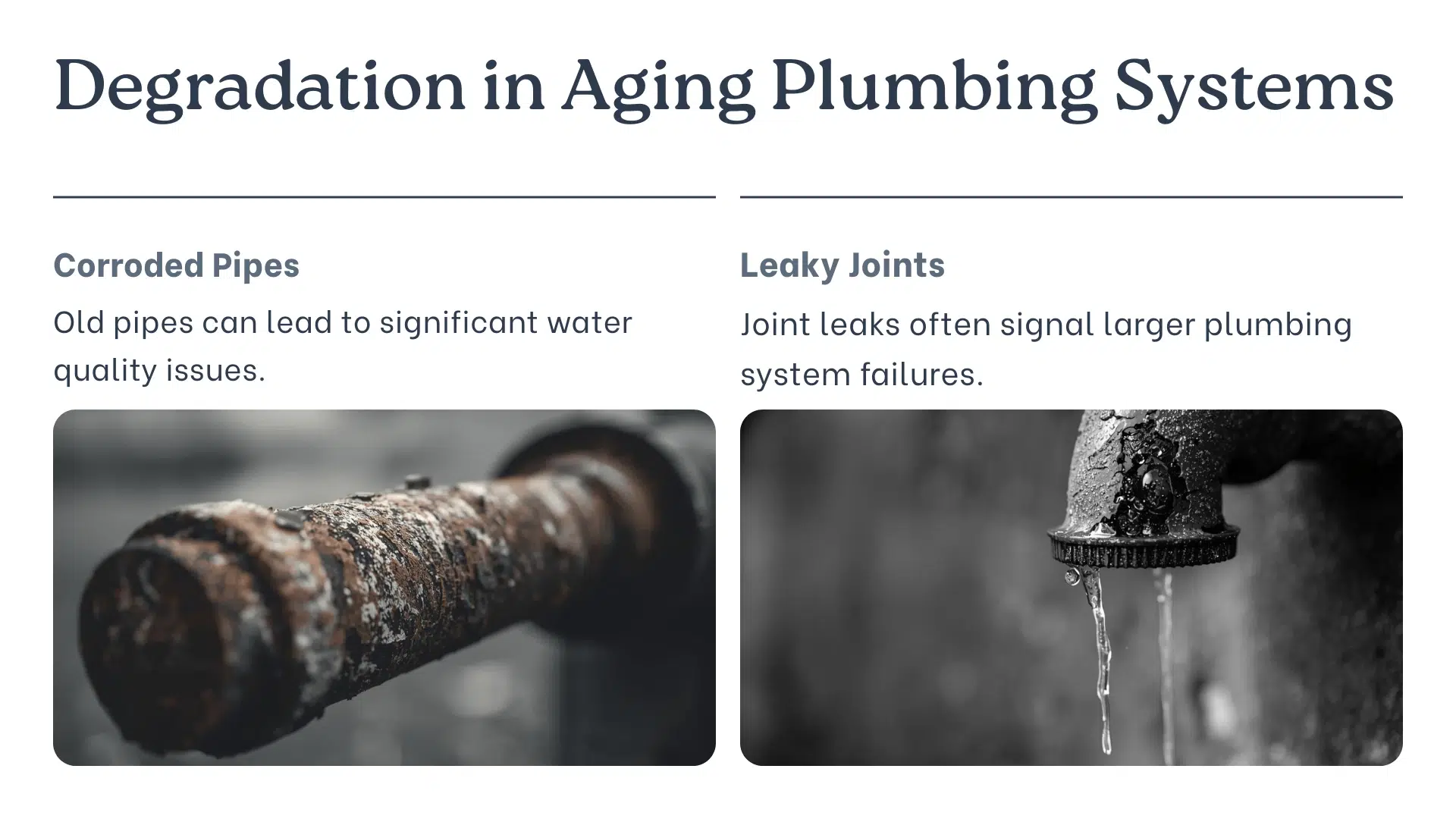
If your water runs rusty, leaks keep popping up, or pressure is lousy everywhere, it’s not just a bad fixture. These are classic signs your pipes are reaching the end of their lifespan—a real risk with Seattle’s aging homes and unique water chemistry.
What Repiping Achieves for Your Home
Full repiping isn’t just “fixing leaks”—it’s about peace of mind and long-term savings. Here’s what you gain when you choose a full repipe:
- Cleaner, safer water: No more rusty taste or brown stains from corroded galvanized or lead pipes common in Seattle’s older neighborhoods.
- Stronger, consistent pressure: Imagine every shower and tap working like new—no more drizzle when your neighbor waters their lawn.
- Stable property value: Up-to-date plumbing boosts home value and insurability—especially important when selling or refinancing.
- Fewer emergencies: Say goodbye to late-night leak calls and water-damaged walls.
Patchwork repairs only address the symptoms; repiping tackles the root problem, often for less than the cumulative cost of repeated fixes.
—
Targeted Repairs vs. Repipe: How to Decide
Not all plumbing woes need a full overhaul. Spot repairs make sense if:
- Leaks are truly isolated to one area.
- Pipes are newer and made of reliable materials like copper or PEX.
- You haven’t had recurring water quality or pressure issues.
But if you find yourself:
- Booking repairs several times a year.
- Noticing rusty, yellow, or brown water throughout the house.
- Seeing visible pipe corrosion, or
- Paying increasing water bills with no explanation,
It’s time to ask for a professional repiping evaluation.
—
Why Seattle Homes Are at Higher Risk
The Pacific Northwest is famous for its character homes—but also for older galvanized, polybutylene, or even lead piping lurking unseen behind walls.
Seattle’s plumbing is put to the test by:
- Housing stock often 50-100 years old
- Hard or mildly acidic water that speeds up pipe corrosion
- Changing local codes—recent regulations mean some pipe materials are now non-compliant
- A climate that sees both freezing conditions and moisture, compounding stress on aging pipes
If your home’s pipes are decades old, made of outdated materials, or you’re seeing widespread issues, you’re not alone. Nearly every Seattle homeowner faces this decision at some point—addressing old pipes is standard, not a surprise.
—
Express Repiping: Seattle’s Trusted Experts
As a family-owned, licensed team serving the Seattle area, Express Repiping offers:
- FREE whole-home inspections and quotes
- Certified PEX and copper repiping with a 25-year warranty
- Honest, transparent pricing—no surprise upsells
- Real answers for both residential and commercial properties
“We make sure your pipes are running smoothly”—so you can focus on what matters most.
—
Getting ahead of pipe problems puts you in control—improving water safety, reducing hidden costs, and raising home value. When plumbing questions pop up, start with a transparent, expert consultation so you only pay for the solutions you truly need.
The Lifespan of Residential Pipes: What to Expect
Seattle homes—especially those built before 1980—rely on a surprising mix of pipe types. Understanding how long each will last is key to proactive maintenance.
For most houses in Seattle and King County, these are the typical pipe lifespans:
- Galvanized steel: 40–60 years (often fails well before 60 due to corrosion)
- Copper: 50–70 years (may corrode faster in acidic or soft water)
- PEX (cross-linked polyethylene): 40–50 years (less prone to corrosion)
- Polybutylene: 15–25 years (prone to early failure; no longer used)
- Lead: Over 100 years, but unsafe and must be replaced
If your home is over 30 years old and has original pipes, you’re likely on borrowed time.
—
How Seattle’s Conditions Impact Pipe Aging
Seattle’s unique mix of water chemistry, rainfall, and chilly winters can speed up pipe wear.
Expect galvanized steel to rust internally—leading to discolored water and low pressure decades before they “expire” on paper.
Properties built during the 1960s–1990s often used materials like polybutylene or copper that now face accelerated decline due to chlorine and fluctuating temperatures.
Picture this: brown water that stains laundry, or a sudden leak warping your kitchen floor after a week of heavy rain.
—
Signs Your Pipes Are Nearing the End
Don’t wait for disaster. Key warning signs that pipes are near failure include:
- Frequent leaks in different areas
- Rusty, yellow, or brown water coming from multiple taps
- Persistent low water pressure throughout the home
- Visible corrosion or mineral crust on exposed pipes
Spotting these indicators early means you can act before more serious issues—like hidden water damage or structural repairs—take over your budget.
—
Risks of Ignoring Aging Pipes
Ignoring old or compromised pipes is risky:
- Water damage repair in Seattle averages $3,000–$8,000 per incident
- Mold remediation and structural repairs can push costs even higher
- Home resale value drops if buyers see visible pipe problems
With every delay, expect higher insurance premiums and the potential for last-minute emergencies.
—
Our certified inspectors at Express Repiping offer honest, non-invasive assessments—so you only repipe if truly necessary. Scheduling a professional inspection is the smartest first step to avoid hidden expenses and keep your home’s plumbing running smoothly.
Major Warning Signs Your Home Needs Repiping
Systemic Plumbing Issues: When Problems Are Widespread
If your house is showing multiple signs of plumbing distress, it’s time to pay attention.
Some issues go far beyond a leaky faucet—they signal a bigger problem with your entire pipe system.
Watch for these recurring warning signs:
- Frequent leaks in different places —If you’re fixing one leak after another, the real culprit may be old pipes, not isolated damage.
- Discolored, rusty, yellow, or brown water coming from taps is a classic indicator of pipe corrosion.
- Consistently low or fluctuating water pressure throughout the home means blockages or leaks are likely lurking inside your walls.
- Visible corrosion on exposed pipes: Think rust, crusty green or white deposits on copper, or pitted, flaking metal.
- Multiple slow drains or frequent clogs not limited to one fixture often point to deteriorating pipes.
- Noisy pipes or odd water sounds (banging, gurgling, or rushing noise) even when no taps are being used may signal unstable or pressured lines.
- You’re calling plumbers regularly—if your repair bills are adding up, whole-house repiping can prevent the cycle of frustration.
“If your kitchen, bathroom, and laundry area are all having problems, your pipes are sending a clear distress call.”
Active Pipe Failures: Evidence of Hidden Damage
Some indicators are urgent “red flags” that hidden damage has already begun.
Immediate action is needed if you spot:
- Water stains or bubbling paint on ceilings and walls—often yellow or brown, and sometimes paired with peeling or sagging drywall.
- Warped or soft flooring and cabinetry: Soft spots, swelling, or mysterious persistent dampness signal long-term leaks.
- Musty odors, recurring mold, or mildew with no visible source—persistent smells point to hidden leaks.
- Unusual puddles or persistently wet areas under sinks, near appliances, or outside in the yard, even in dry weather.
- Audible drips or rushing water inside walls when no water is running.
- A sudden spike in your water bill, or seeing the water meter moving with every faucet shut, reveals hidden leaks wasting gallons daily.
“A brown water stain on your ceiling is your house’s cry for help—don’t wait for a major leak.”
Taking Action: Protecting Your Property and Peace of Mind
For any active leak, immediately shut off your main water supply and call a licensed and insured plumber.
Document the problem areas with photos and notes—each detail helps your plumber diagnose and solve issues faster.
Seattle homes, especially those with galvanized steel, lead, or polybutylene pipes, are at higher risk.
“The more details you provide your plumber—like photos and symptoms—the better your chances of stopping water damage in its tracks.”
These warning signs aren’t just hassles; they’re signals your home may be overdue for repiping.
Spotting them early means less damage, fewer repairs, and a faster path to peace of mind—secured by Seattle’s most trusted repiping specialists.
Pipe Material and Age: High-Risk Factors Demanding Attention
Common Problematic Pipe Materials
Not all pipes are created equal—and some materials in older Seattle homes carry far more risk.
Spot these high-risk pipe types:
- Galvanized steel: Lasts about 40-60 years, but is prone to corrosion, rust, and hidden leaks. Prevalent in Seattle homes built before the 1970s.
- Polybutylene: Installed widely from the late 1970s to mid-1990s; subject to industry-wide recalls for sudden failure, cracking, and insurance refusals.
- Lead piping: A serious health hazard—lead pipes must always be replaced due to water contamination risks.
- Copper: Reliable but can fail after 50+ years, especially from pinhole leaks and green/white crust at joints.
- PEX: Durable when installed properly, but inferior brands or UV-exposed pipes can develop brittleness or fitting failures.
Picture this: If your basement shows rusty, crusty pipes or you see dark gray tubing stamped “PB2110,” you’re likely facing urgent replacement.
“If your home has galvanized, polybutylene, or any lead pipes, a full system assessment is a must before disaster strikes.”
Home Age and Plumbing Upgrades
An older home’s “vintage charm” can come with vintage plumbing headaches. Decade-by-decade, risk factors rise:
- Homes built pre-1940s often have lead or aging galvanized pipes—very high replacement priority.
- 1940s–1970s frequently feature galvanized or early copper, both susceptible to internal buildup or corrosion.
- 1980s–mid 1990s: Watch for polybutylene—recalls and insurance refusals are commonplace for these systems.
Upgrades aren’t always the solution you’d expect. Partial repairs can leave you with a patchwork system—one fragile link spells system failure.
Look for these clues:
- Mismatched pipe colors or textures under sinks or in basements
- Original shut-off valves, odd connections, or visible corrosion—even after “updates” done years ago
Express Repiping’s honest, no-damage inspections help homeowners discover what’s really running behind their walls. Our certified team routinely identifies pipes most plumbers miss—saving properties and preventing expensive surprises.
Immediate Takeaways for Action
- Check your pipe material and home’s construction date—these details reveal hidden risks.
- If you see corrosion, leaks, or mystery stains, call for an inspection—now, not later.
- Partial plumbing updates can hide weak spots—always ask for a whole-system review.
Knowing your home’s pipe material and age is the single best step toward avoiding major water damage, costly repairs, or even health hazards. A free, expert inspection from a certified Seattle repiping team gives you real answers—and powerful peace of mind.
When Repairs Aren’t Enough: Deciding to Repipe
When repeated plumbing issues become your new normal, it’s time to consider whole-house repiping rather than pouring money into spot fixes.
You might be facing the “patchwork trap”—constantly paying for repairs that only address symptoms, not the root problem.
Here’s when spot repairs stop making sense and repiping becomes your smartest investment:
- You’re calling for leaks or clogs every few months, especially in older homes with galvanized, polybutylene, or lead pipes
- Water bills are spiking, or you’ve noticed discolored water, low pressure, or damp spots in multiple rooms
- Corrosion or pitting is visible on exposed pipes—think rust, green/white crust, or flaking
The Real Cost of Repeated Spot Repairs
Patching leaks might cost $150–$500 each time, but if you’re fixing leaks several times a year, the math quickly adds up.
Factor in disrupted routines, potential water damage, and lost property value. The Seattle area often sees full repiping pay off within just a few years compared to these ongoing hassles.
Picture this: One home in Beacon Hill spent $4,000 in patch repairs over two years—after a full repipe, no more leaks and a big increase in home value.
Why a Whole-House Plumbing Inspection Matters
A certified inspection can identify if your problem is isolated or systemic.
We recommend:
- Full plumbing inspections for homes over 30 years old
- Immediate assessment if issues keep recurring, especially with notorious materials like galvanized steel or polybutylene
- Documenting visible water stains or recurring leaks with photos, making diagnoses faster and more accurate
Repair or Repipe? How Express Repiping Guides You
Our approach is simple—honest, transparent advice. Sometimes a targeted repair is enough, but we’ll never suggest full repiping unless it’s clearly needed.
You’ll get:
- An itemized quote, no hidden fees
- The option between PEX or copper, backed by our 25-year warranty
- Detailed photos and explanations so you stay informed
“If you’re patching the same problems year after year, you’re not just losing money—you’re risking your home’s value and safety.”
Homeowners say the peace of mind from a one-and-done repipe is worth every penny, especially with Seattle’s strict buyer disclosure rules.
When to Call for a Free Consultation
If your home fits just one of these warning profiles, don’t wait for the next emergency.
Get your free, no‑obligation inspection and quote from Express Repiping—Seattle’s local repiping specialists.
The main thing to remember: constant repairs and rising costs are clear signs it’s time to consider whole-house repiping for lasting property protection and peace of mind.
What to Do If You Suspect Pipe Failure
Immediate Steps for Homeowners
Spotting signs of pipe failure—like water stains, persistent leaks, or musty smells—means it’s time to act quickly to protect your home and wallet.
Begin with documentation for your plumber:
- Take clear, time-stamped photos of stains, warped floors, discolored water, or visible pipe corrosion.
- Note when and where the symptoms occur (which rooms, times, or fixtures).
- Track how often the problems reappear.
If you see any of these warning signs, shut off your main water valve immediately to halt further damage:
- Active leaks or puddles indoors
- Bubbling paint, sagging ceilings or floors
- Loss of water pressure across your whole home
Gather this evidence to give your plumber full context—it speeds up diagnosis and solution.
Tip: “The more details you give, the faster your repairs—and the lower your risk of hidden damage later.”
When to Call a Professional—And What to Say
Some situations demand urgent, professional help:
- Water stains spreading or ceiling bulging
- Soggy or ‘squishy’ flooring
- Sudden spike in your water bill
- Water meter moving with no taps running
Describe your home’s pipe materials (if you know them), age, and how often these issues happen. Let your plumber know if you’ve done any previous spot repairs—they’ll look for hidden weak points.
Quotable: “Don’t wait for small leaks to become a flood. Even a tiny sign can be a big problem behind the walls.”
The Express Repiping Approach: What to Expect
When you call Express Repiping, here’s exactly what will happen:
- We provide free inspections and transparent, no-pressure quotes.
- Our specialists use:
- Visual inspection and moisture meters
- Pressure testing to spot hidden leaks
- Advanced tools that minimize opening walls
You’ll know whether you need a whole house repipe or a targeted repair—and we’ll always explain why.
Express Repiping never pushes unnecessary work—our reputation is built on honest assessments and family-owned care.
Expect clear timelines, minimal disruption, and straightforward pricing on every job. All work comes with a 25-year warranty from fully licensed, insured Seattle experts.
For Homeowners in Seattle and Beyond
“If you’re seeing repeat leaks or mystery stains, it’s time for a hands-on assessment—not just a band-aid fix.” Document everything, shut off water for major leaks, and reach out to trusted specialists like Express Repiping who put clarity and customer protection first. Peace of mind is just a call away.
Long-Term Benefits of Proactive Repiping
Picture this: You turn on the tap and get clean, clear water every time—no rust, no odd tastes, just pure refreshment for your family.
Replacing aging or deteriorating pipes is about more than fixing leaks; it’s a direct investment in your property’s safety, efficiency, and value.
Every homeowner in Seattle should know: Proactive repiping costs less in the long run than endless emergency repairs and disrupted routines.
—
Healthier Water, Happier Home
Outdated pipes—especially galvanized steel or polybutylene—can leach contaminants or rust into your water. This isn’t just unpleasant; it can be unsafe for drinking, cooking, and bathing.
After repiping, you instantly benefit from:
- Improved water quality: Remove the source of discoloration and strange tastes
- Fewer contaminants: Modern PEX and copper piping block corrosion and chemical leaching
- More enjoyable showers, beverages, and daily routines
“Clean pipes, clean life: it’s the single best upgrade you’ll ever make for your home’s health.”
—
Consistent Performance and Lower Risk
If you’ve caught yourself adjusting taps just to get water pressure “right,” you’re not alone.
Full-system repiping restores:
- Reliable, consistent pressure at every fixture
- Dramatic drop in leaks, clogs, and water waste
- Protection from catastrophic water damage or mold (a leading cause of costly home insurance claims)
Visualize this for a moment: No more mopping up mystery puddles or chasing leaks at odd hours.
—
Add Value and Protection for Decades
Did you know homes with new plumbing are valued up to 15% higher during resale? Insurers may also offer better terms for properties with up-to-date piping, saving you stress and money.
With Express Repiping, you receive:
- 25-year warranty on all materials and labor
- Peace of mind from Seattle’s most trusted, family-owned repiping specialists
- Support long after installation—we’re always here when you need advice or service
“Proactive repiping gives you lasting security—one decision, decades of comfort.”
—
Enjoy the confidence of knowing your home is future-proofed against leaks, costly repairs, and water quality issues. Choosing proactive repiping means saving money, boosting property value, and finally crossing ‘plumbing emergencies’ off your worry list.
FAQ
Does Pipe Discoloration Always Mean Repiping Is Needed?
Not every instance of pipe discoloration means your entire system needs replacement.
- Brown or yellow water from all faucets often points to system-wide corrosion—especially in older galvanized steel pipes.
- If discoloration is only at one fixture, it may be a localized rust issue or aging faucet.
Our specialists use detailed inspections to pinpoint whether a full repipe or targeted repair is right for you.
“Rusty water throughout your home is a red flag you shouldn’t ignore.”
How Long Does a Professional Inspection Take?
A standard whole-house pipe inspection with Express Repiping typically takes 1-2 hours for most Seattle homes.
- Large or complex properties may require up to half a day for a thorough evaluation.
- We use non-invasive tools and moisture meters for accurate results with minimal disruption.
You’ll get a clear, honest assessment the same day—with detailed photos and findings included.
Can Spot Repairs Ever Be Enough?
Sometimes, a localized repair is cost-effective—but if you’re calling for leaks or clogs several times per year, that’s a signal your plumbing may be reaching the end of its lifespan.
- Patchwork repairs add up fast: The average Seattle homeowner spends $300–$600 per recurring leak, which can exceed the cost of repiping within a couple of years.
“If you’re patching multiple leaks, it’s likely time to consider a long-term solution.”
What Are Typical Timelines and Costs for Seattle Properties?
For most single-family homes, a full repipe takes 1-4 days.
- Costs range from $4,000 to $15,000 depending on pipe material, size, and layout.
- Older homes with galvanized steel or polybutylene pipes may require additional work for safe removal and code compliance.
Express Repiping offers upfront, line-item pricing—no surprises.
How Urgent Is It to Act on Possible Pipe Failure?
If you notice major warning signs—like active leaks, water stains, or declining water pressure—contact us immediately.
- Addressing damage early prevents thousands in restoration costs and reduces health risks from mold or lead exposure.
- For less urgent symptoms, still schedule a professional inspection within 1–2 weeks.
“Addressing minor warning signs today can save you a plumbing emergency tomorrow.”
Are Payment or Financing Options Available?
Express Repiping provides financing plans for full repipes and major repairs.
- Flexible options allow you to get urgent work done now and pay over time.
- We’re always transparent about costs, with free estimates and no-pressure consultations.
Conclusion
Making informed decisions about your plumbing gives you more than just peace of mind—it protects your home’s value, safeguards your water quality, and prevents costly emergencies before they start.
With the right knowledge and support, you’re empowered to move from worry to confidence—knowing you’re proactively preserving your property and your family’s wellbeing.
—
Your top action steps:
- Watch for persistent leaks, discolored water, or low pressure—these are signals your pipes need attention.
- Schedule a certified inspection if your home is over 30 years old or has known high-risk materials like galvanized or polybutylene.
- Document problem spots with photos and notes to help experts provide a fast, accurate diagnosis.
- Don’t settle for patchwork fixes—consider proactive repiping if repairs keep stacking up or your water quality is at risk.
- Choose licensed, local specialists who offer transparent quotes and strong warranties for true peace of mind.
—
Ready to protect your home? Book your free, no-pressure inspection with Express Repiping in Seattle today. Our family-run team prioritizes your needs—and you’ll get honest answers about your options, without the upsell.
There’s never been a better time to take control of your property’s future. Reliable pipes mean a safe, comfortable home—so you can stop stressing about leaks and start focusing on what matters most.
“Your home deserves solutions built to last. Take action now, and enjoy the confidence of plumbing you can trust for decades to come.”